
















When goods need to reach their destination quickly, air freight is often the preferred shipping method for businesses facing tight delivery deadlines. However, choosing air transportation alone does not guarantee on-time delivery. Factors such as flight schedules, customs clearance, cargo preparation, airport handling, and destination delivery can all affect the total transit time. Therefore, working with a reliable global air freight forwarding service helps businesses coordinate each transportation stage and reduce unnecessary delays.
With more than 20 years of experience, EVERGRAND handles air cargo shipments from China to international airports. Through contracted rates with major airlines, including CZ, CA, EK, TK, and MU, as well as established global networks and agent resources, EVERGRAND provides tailored logistics arrangements to meet different shipping requirements.
1. Understand What Affects Air Freight Transit Time
Air freight is a shipping method that transports goods between airports using commercial or dedicated cargo aircraft. Compared with sea freight, it offers significantly shorter transportation times, although the shipping cost is generally higher. For this reason, businesses often choose air freight for small-volume orders, high-value products, seasonal goods, or urgent shipments that must arrive before a specific deadline.
However, the actual delivery time involves more than the flight itself. Flight availability, cargo preparation, customs clearance, and airport handling can all influence the overall schedule. For example, incomplete shipping documents or late cargo delivery to the airport may prevent goods from boarding the originally planned flight. Understanding these factors allows businesses and their logistics partners to identify potential delays early and develop more realistic transportation schedules.
2. Choose the Right Flight Schedule and Route
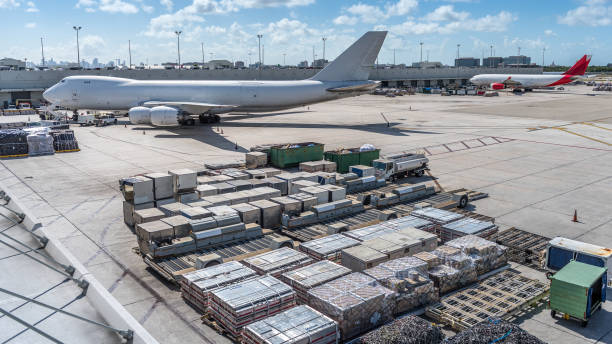
Selecting an appropriate flight route is one of the most effective ways to control transportation time. Direct flights generally provide faster delivery because they eliminate additional transfers and reduce the possibility of missed connections. Nevertheless, they may not always be available for every destination or cargo type, so businesses should consider alternative routes when planning urgent shipments.
When comparing flight options, companies should pay attention to departure frequency, arrival time, available cargo capacity, and connection arrangements. In some situations, a connecting flight with a short waiting period may be more practical than waiting several days for a direct flight. Furthermore, an experienced air shipping agent can evaluate different airline schedules and recommend suitable arrangements based on the shipment's destination and delivery deadline.
Air express is another option for shipments that require particularly fast transportation, especially when the cargo volume is relatively small. However, this service usually involves higher costs, so businesses should compare its advantages with standard air cargo service before making a decision. A professional international air freight service can help balance delivery speed, transportation costs, and operational requirements.
3. Prepare Shipping Documents Before Cargo Departure
Documentation problems are another common reason for unexpected shipping delays. Even when an airline has confirmed cargo space, incomplete or inconsistent paperwork can prevent goods from passing export customs or being accepted for transportation. Consequently, businesses should prepare all required shipping documents before the cargo reaches the departure airport.
The main documents usually include a commercial invoice, packing list, and air waybill, together with any additional certificates required for specific products or destination countries. Moreover, product descriptions, declared values, quantities, and consignee details should remain consistent across all documents. Incorrect information may result in additional customs inspections, clarification requests, or unnecessary processing time.
To avoid these problems, businesses should communicate with their freight forwarders before cargo departure. By checking destination import requirements, confirming product classifications, and reviewing documents in advance, both parties can reduce the risk of preventable delays. This preparation becomes particularly important when shipping regulated goods or products that require additional customs documentation.
4. Coordinate Cargo Pickup and Airport Handling in Advance
Efficient coordination between the shipper, freight forwarder, airline, and destination agent is essential for maintaining a predictable shipping schedule. Even if a suitable flight is available, cargo that arrives late at the airport may miss the airline's cargo acceptance deadline. As a result, the shipment could be transferred to the next available flight, increasing the overall delivery time.
A professional freight forwarder should coordinate factory pickup, warehouse receiving, cargo inspection, security screening, and airline handover. In addition, businesses should communicate their expected cargo readiness date as early as possible so that the logistics provider can arrange suitable transportation capacity. Proper coordination helps ensure that each stage is completed within the required timeframe.
For urgent shipments, early booking and clear communication are especially important. Businesses should confirm cargo dimensions, weight, packaging conditions, and pickup arrangements before transportation begins. Meanwhile, the freight forwarder should monitor cargo acceptance and export clearance progress to identify potential problems before they affect the flight schedule.
5. Track Shipments and Prepare Alternative Solutions
Although careful planning can reduce delays, air transportation is still affected by circumstances beyond the shipper's control. Flight cancellations, capacity shortages, severe weather, customs inspections, and airport congestion may all disrupt the original schedule. Therefore, shipment tracking and contingency planning are equally important for businesses handling time-sensitive cargo.
Companies should work with their logistics providers to obtain shipment updates at important milestones, including cargo pickup, airport arrival, export customs clearance, flight departure, destination arrival, and final delivery. This information makes it easier to identify delays and communicate realistic delivery expectations to customers. Furthermore, regular updates allow businesses to adjust their inventory and distribution plans when transportation conditions change.
When the original flight becomes unavailable, alternative arrangements may help minimize the impact. For instance, the freight forwarder can check other available flights, consider alternative transit airports, or arrange express transportation when appropriate. However, businesses should evaluate additional costs and actual time savings before changing the original shipping plan. Focusing on the entire delivery process rather than flight duration alone leads to more practical logistics decisions.
6. Work with an Experienced Air Freight Forwarder
Choosing an experienced logistics partner can make a significant difference when managing urgent international shipments. An established freight forwarder understands airline booking procedures, airport operations, customs requirements, and destination delivery arrangements. Moreover, its airline contracts and overseas agent network can provide additional flexibility when businesses need to adjust transportation plans.
With more than 20 years of industry experience, EVERGRAND provides air cargo transportation from China to global airports. Its cooperation with major airlines such as CZ, CA, EK, TK, and MU supports access to different flight arrangements and contracted freight rates. Combined with global agent resources, this experience helps develop logistics solutions according to shipment volume, destination, budget, and delivery deadlines.
A capable logistics partner does more than book airline space. It coordinates communication between different transportation parties, monitors shipment progress, and helps businesses respond to unexpected changes. Therefore, when selecting a freight forwarding company, businesses should consider its airline resources, overseas network, operational experience, and ability to provide timely shipment updates.
Conclusion
Controlling transit time for urgent shipments requires more than selecting the fastest available flight. Businesses must also consider route planning, cargo readiness, documentation accuracy, customs clearance, airport handling, and destination delivery. By preparing shipments in advance, monitoring transportation progress, and maintaining alternative arrangements, companies can reduce avoidable delays and improve delivery reliability.
Ultimately, choosing the right global air freight forwarding service helps businesses manage urgent cargo more effectively while balancing transportation speed and cost. An experienced logistics provider with established airline cooperation and global agent resources can offer practical support throughout the shipping process, helping businesses meet their delivery deadlines and maintain smoother international supply chains.