














International transportation costs can have a significant impact on a business's overall purchasing budget. When importing large quantities of goods, choosing the right shipping method becomes especially important. Sea transportation is often a practical option because cargo ships can carry substantial volumes of goods over long distances. A cost-effective sea freight shipping service helps importers manage transportation expenses while moving large shipments through an organized logistics process.
Why Is Sea Freight a Cost-Effective Option for Large Shipments?
Sea freight is widely used in international trade because it can accommodate large quantities of cargo in a single shipment. Compared with air transportation, ocean shipping is generally more economical for businesses that need to move heavy or bulky goods. Therefore, it is particularly suitable for importers who prioritize transportation costs over extremely short delivery times.
Another advantage is its capacity to handle different types of cargo. Large machinery, commercial products, raw materials, and other heavy goods can often be transported by sea. Moreover, certain sensitive cargo that cannot be shipped by air may have suitable sea transportation options, depending on its characteristics and applicable shipping regulations. This flexibility makes sea freight an important part of international logistics.
How Can Businesses Reduce Sea Freight Shipping Costs?
Reducing shipping expenses requires more than choosing the lowest freight quotation. Businesses should consider cargo volume, container utilization, departure schedules, destination charges, and the services included in the quotation. Consequently, understanding the complete transportation cost can help importers avoid unexpected expenses.
Cargo consolidation is one way to improve shipping efficiency when goods come from different suppliers. Instead of arranging several small shipments independently, importers may combine eligible cargo into a larger shipment. This approach can help make better use of available container space. However, the actual savings depend on cargo volume, handling requirements, consolidation fees, and the final destination.
Choosing the appropriate container type is also important. Full Container Load (FCL) shipping allows one shipper to use an entire container, while Less than Container Load (LCL) shipping combines cargo from multiple shippers. Therefore, businesses should compare these options according to shipment size and cost structure. Selecting a suitable arrangement can help balance transportation expenses and cargo handling requirements.
What Factors Affect Ocean Freight Services Pricing?
The price of ocean freight services is influenced by several factors. These include the origin and destination ports, container size, cargo type, shipping season, and available carrier capacity. In addition, fuel-related charges, terminal handling fees, documentation costs, and destination charges may affect the final amount.
Shipping rates can also change according to market conditions and carrier schedules. For this reason, importers should avoid comparing quotations based only on the basic ocean freight rate. Instead, they should check which services and additional charges are included. A clear quotation makes it easier to estimate the total logistics budget and compare different shipping arrangements.
Another consideration is the cargo's specific transportation requirements. Heavy, oversized, or sensitive goods may need special handling or additional arrangements. Therefore, providing accurate cargo information before booking helps logistics providers evaluate suitable transportation options and prepare more reliable quotations.
How Does Container Shipping Help Control Transportation Budgets?
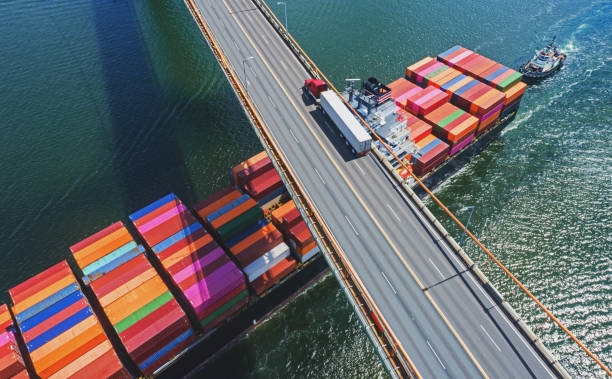
Container shipping is an important solution for businesses transporting large quantities of goods internationally. Standardized containers make it easier to organize cargo loading, transportation, and handling between different logistics facilities. Furthermore, container-based transportation supports the movement of various commercial goods across international shipping routes.
For businesses with regular import orders, planning shipments in advance can improve transportation coordination. For example, buyers can communicate with suppliers about expected production completion and cargo readiness. This makes it easier to arrange container bookings and reduce unnecessary delays between production and shipment.
Container utilization also deserves attention. When cargo is packed efficiently, businesses can make better use of available space and avoid paying for transportation capacity that is not fully utilized. However, loading arrangements must still consider cargo dimensions, weight limits, packaging, and safety requirements. Proper planning can therefore support both transportation efficiency and budget control.
When Should Businesses Consider Door-to-Door Shipping Services?
Port-to-port transportation does not always cover every logistics requirement. Importers may also need cargo collection from suppliers, destination handling, customs coordination, and final delivery. In these situations, door-to-door shipping services can provide a more integrated transportation arrangement, depending on the agreed service scope.
This option can reduce the amount of coordination required between different logistics providers. Moreover, having one logistics contact helps businesses follow transportation arrangements from the supplier's location to the final destination. However, door-to-door quotations should be reviewed carefully because customs duties, taxes, local handling, and other charges may be treated separately.
For importers managing multiple suppliers in China, coordinated freight forwarding services can also simplify cargo collection and shipment planning. By connecting supplier communication with transportation arrangements, businesses can maintain better visibility throughout the shipping process.
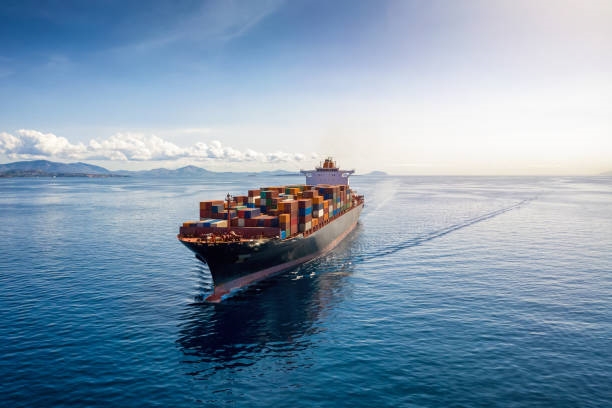
How EVERGRAND Supports Sea Freight from China
EVERGRAND has more than 20 years of experience in shipping from China and handles over 5,000 containers annually through major Chinese ports. The company works with major shipping lines, including CMA, COSCO, Maersk, MSC, and EMC, using contracted freight rates to support logistics arrangements for global importers.
With experience in international transportation, EVERGRAND provides customized logistics solutions based on customer requirements. Its services help businesses coordinate sea freight arrangements and manage the transportation of large quantities of cargo. Furthermore, the team focuses on helping customers organize their shipping procedures and make informed decisions about their logistics needs.
Conclusion
Sea transportation offers an economical option for businesses moving large quantities of goods internationally. By selecting suitable container arrangements, comparing complete freight quotations, and planning shipments ahead of time, importers can manage transportation budgets more effectively. A cost-effective sea freight shipping service also helps businesses coordinate cargo movement while balancing shipping expenses and operational requirements. With suitable logistics support from EVERGRAND, importers can make their China shipping arrangements more organized and focus more attention on their core business activities.