In today’s global economy, international trade depends heavily on fast and reliable transportation systems. Among all logistics methods, the air freight logistics service plays a key role in connecting global routes across continents. For companies like EVERGRAND, air logistics is not just about moving goods. It is about building an efficient global network that links suppliers, manufacturers, and end customers across different time zones. Moreover, it enables high-speed movement of goods between major markets such as Asia, Europe, and North America.
Integration with Global Airline Networks
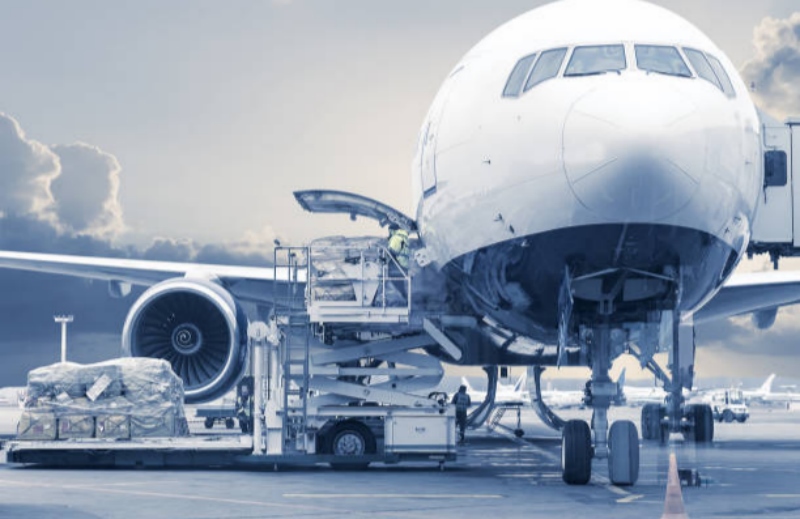
One of the main ways an air freight logistics service connects global routes is through deep integration with international airline systems. First, logistics providers coordinate with both commercial and dedicated cargo airlines to access global flight schedules. Then, shipments are consolidated at major international airports before being distributed to final destinations. Moreover, these airports act as central transfer hubs that connect long-haul and regional routes efficiently. As a result, cargo can move across multiple countries without requiring direct flights between every origin and destination.
Hub-and-Spoke Global Distribution Model
Another essential structure in air freight logistics service is the hub-and-spoke distribution system. First, cargo is collected from factories, warehouses, or suppliers and transported to regional consolidation hubs. Then, shipments are grouped based on destination regions. Furthermore, international hubs redistribute goods to final delivery airports across global markets. This system significantly improves routing efficiency. In addition, it reduces empty cargo space and ensures better utilization of aircraft capacity across global networks.
Customs Coordination and Cross-Border Efficiency
Global route connectivity also depends on smooth customs coordination. An air freight logistics service ensures efficient cross-border movement through standardized documentation and digital clearance systems. First, logistics teams prepare shipping documents before cargo departure. Then, electronic data is shared with customs authorities to speed up inspection and clearance. Moreover, pre-clearance agreements in certain regions help reduce waiting time at destination airports. As a result, international cargo flows more smoothly even across complex regulatory environments.
Digital Tracking and Route Optimization
Modern logistics systems rely heavily on digital technology. An air freight logistics service uses real-time tracking and data analysis to manage global routes more efficiently. First, tracking systems monitor cargo location throughout the entire journey. Then, logistics platforms analyze flight schedules, weather conditions, and airport congestion. Furthermore, route planning tools adjust shipping paths to improve delivery speed and reliability. Therefore, businesses gain full visibility of global shipments and can make faster supply chain decisions.
Strategic Global Air Hub Locations
Global connectivity also depends on strategically located air cargo hubs. An air freight logistics service connects major logistics centers such as Hong Kong, Dubai, Frankfurt, and Los Angeles. First, these hubs collect and consolidate international shipments. Then, they redistribute cargo to regional and domestic markets. Moreover, their geographic positions allow efficient East-West and North-South trade connections. As a result, these hubs function as key nodes in the global air freight network.
Flexibility in Global Supply Chain Operations
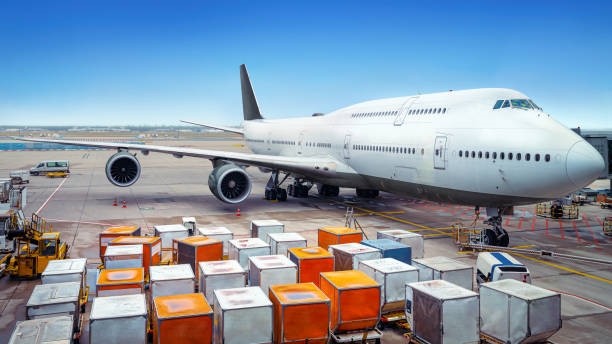
In addition, flexibility is a major advantage of air logistics systems. An air freight logistics service can quickly adjust to demand changes, urgent shipments, and unexpected disruptions. First, available cargo space can be increased or reduced depending on demand. Then, alternative routes are activated when disruptions occur. Furthermore, express air freight options ensure time-sensitive goods reach their destinations quickly. Therefore, global supply chains remain stable even under changing market conditions.
Conclusion: A Fully Connected Global Logistics Network
In summary, an air freight logistics service connects global routes through airline integration, hub-and-spoke systems, customs coordination, digital tracking, and strategic hub locations. With companies like EVERGRAND supporting international logistics operations, global trade becomes faster, more efficient, and highly interconnected. Therefore, air freight continues to serve as a vital infrastructure for modern global commerce.