















In global logistics, timing plays a critical role in supply chain efficiency. However, businesses often face unexpected disruptions that affect delivery schedules. Among the most common issues are sea freight delays, which can significantly impact cost control, inventory planning, and customer satisfaction. For importers and exporters, understanding the root causes is essential. At EVERGRAND, we help clients reduce shipping risks through more reliable freight solutions and proactive planning strategies.
1. Port Congestion and High Traffic Volume
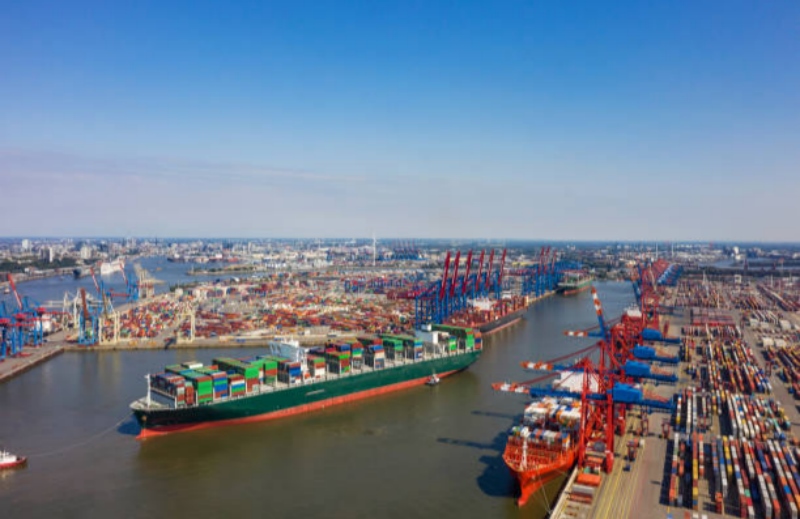
First of all, port congestion is one of the leading reasons behind shipping disruptions. When too many vessels arrive at the same time, unloading and processing capacity becomes limited. As a result, sea freight delays often occur during peak seasons such as holidays or global trade surges. Additionally, labor shortages at ports can further slow down cargo handling. To avoid this, companies should plan shipments earlier and consider alternative ports whenever possible.
2. Customs Clearance Issues
Another major cause is customs-related complications. If documents are incomplete or incorrect, shipments may be held for inspection. Consequently, sea freight delays can extend from days to even weeks. Moreover, different countries have varying import regulations, which adds complexity to international trade. To minimize this risk, businesses should ensure accurate documentation and work with experienced freight forwarders like EVERGRAND to streamline clearance procedures.
3. Weather Conditions and Natural Disruptions
In addition, unpredictable weather conditions can severely affect shipping schedules. Storms, typhoons, and heavy fog may force vessels to slow down or reroute. Therefore, sea freight delays caused by weather are often unavoidable but can still be mitigated. For instance, companies can improve resilience by building buffer time into their logistics planning and using real-time tracking systems to adjust schedules proactively.
4. Equipment Shortages and Container Imbalance
Furthermore, global container shortages and equipment mismatches contribute to operational inefficiencies. When shipping containers are not available at the right location, cargo cannot be loaded on time. As a result, sea freight delays become more frequent, especially in high-demand trade lanes. To address this issue, businesses should collaborate with logistics providers that have strong global equipment networks and repositioning capabilities. EVERGRAND, for example, focuses on optimizing container allocation to improve shipping efficiency.
5. Operational Inefficiencies and Human Errors
Finally, internal handling issues such as poor coordination, documentation mistakes, or delayed scheduling can also lead to disruptions. Even small errors can escalate into significant sea freight delays across the supply chain. Therefore, companies should invest in digital logistics systems and improve communication between stakeholders. Automation and standardized procedures can significantly reduce human-related mistakes.
How to Avoid Sea Freight Delays
To effectively reduce risks, businesses must adopt a proactive logistics strategy. First, early booking is essential to secure space during peak seasons. Second, maintaining accurate and complete shipping documents helps avoid customs-related issues. In addition, working with a reliable logistics partner like EVERGRAND ensures better coordination, real-time tracking, and faster problem resolution. Moreover, companies should diversify shipping routes and carriers to avoid dependency on a single channel. By doing so, they can reduce vulnerability to port congestion and unexpected disruptions. Finally, investing in supply chain visibility tools allows businesses to respond quickly to any changes, minimizing potential impact.
Conclusion
In summary, sea freight delays are caused by multiple factors including port congestion, customs issues, weather conditions, equipment shortages, and operational inefficiencies. However, with proper planning and strong logistics support, these challenges can be effectively managed. By partnering with experienced providers such as EVERGRAND, businesses can build a more resilient and efficient global shipping network that reduces risks and improves delivery performance.