














In today's global supply chain, businesses have multiple transportation options for moving goods across regions and countries. Among them, air freight and rail transport are two widely used methods. While air freight is known for its speed, it is not always the most practical or cost-effective solution. Therefore, understanding when to choose rail transport can help companies improve efficiency and reduce logistics costs. In many situations, railway transportation services offer a strong balance between speed, reliability, and affordability.
Understanding the Difference Between Rail and Air Freight
Before selecting a transportation method, it is important to understand their key differences. Air freight provides the fastest delivery times, making it suitable for urgent shipments and high-value products. However, it often comes with significantly higher transportation costs.
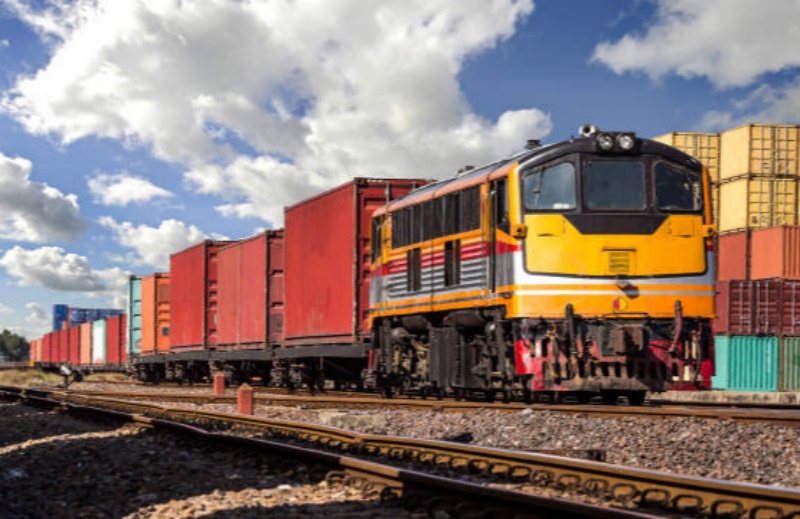
In contrast, rail transport offers a more economical option for medium- to long-distance shipping. Although trains may not match the speed of aircraft, they can move large volumes of cargo efficiently. As a result, many businesses choose rail when delivery schedules allow for slightly longer transit times.
When Cost Efficiency Matters
One of the main reasons to choose railway transportation services is cost savings. Air freight rates can fluctuate due to fuel prices, capacity limitations, and seasonal demand. Consequently, shipping large quantities of goods by air can quickly become expensive.
Rail transport, on the other hand, generally offers lower transportation costs per unit. Furthermore, it allows businesses to move bulk cargo more economically. Therefore, companies looking to optimize logistics budgets often consider rail a more practical solution.
For Large and Heavy Shipments
Certain products are simply better suited for rail transport. For example, industrial equipment, construction materials, machinery, automotive parts, and consumer goods often require large cargo capacity. In these cases, air freight may be limited by weight restrictions and higher handling costs.
Meanwhile, trains can accommodate substantial cargo volumes while maintaining stable transportation schedules. As a result, businesses shipping heavy or oversized goods frequently rely on railway transportation services to improve operational efficiency.
When Sustainability Is a Priority
Environmental responsibility has become increasingly important for modern businesses. Consequently, many companies are evaluating transportation methods based on their carbon footprint.
Compared with air freight, rail transport typically produces lower carbon emissions per ton of cargo. Moreover, rail networks can transport large amounts of freight using less energy. Therefore, organizations seeking greener logistics solutions often choose rail transportation as part of their sustainability strategy.
For Reliable Cross-Border Logistics
International trade requires transportation solutions that balance speed, cost, and reliability. While air freight is useful for urgent deliveries, rail transport has become a preferred option for many cross-border routes.
In addition, modern rail networks provide predictable transit schedules and advanced cargo tracking systems. This helps businesses maintain better supply chain visibility. Companies such as EVERGRAND understand the importance of dependable logistics solutions and often support customers with transportation strategies tailored to specific cargo requirements.
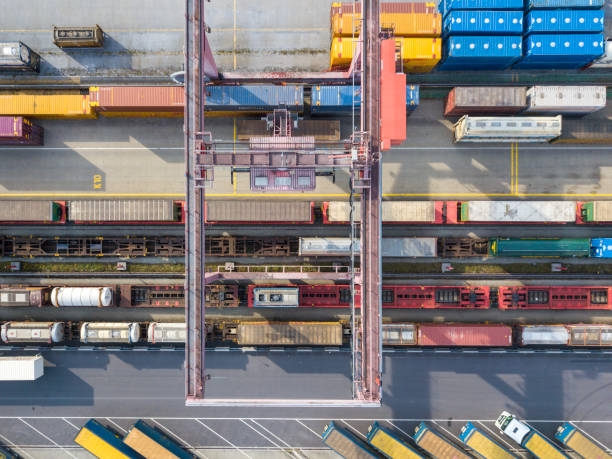
Finding the Right Balance
Choosing between rail and air freight depends on shipment priorities. If delivery speed is the most critical factor, air freight may be the better choice. However, if cost control, cargo volume, and sustainability are equally important, rail transport often delivers greater value.
Furthermore, rail transport can help reduce transportation expenses without sacrificing reliability. As supply chains continue to evolve, businesses increasingly seek solutions that offer both efficiency and flexibility. Therefore, railway transportation services remain an attractive option for a wide range of industries.
Conclusion
There is no single transportation method that fits every shipment. Nevertheless, rail transport becomes the preferred choice when businesses need cost-effective, reliable, and environmentally responsible logistics solutions. Whether shipping bulk cargo, managing international trade, or improving supply chain performance, railway transportation services provide a practical alternative to air freight. By carefully evaluating shipment requirements, companies can select the transportation method that best supports their operational goals and long-term growth.