














In today’s global economy, businesses increasingly rely on efficient logistics to stay competitive. One essential aspect of international trade is shipping freight forwarding. This service helps companies transport goods safely and cost-effectively across borders. By understanding how freight forwarding works, businesses can make informed decisions to optimize their supply chain and improve overall efficiency.

What Is Shipping Freight Forwarding?
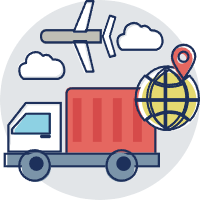
Shipping freight forwarding is the process of coordinating the shipment of goods from one location to another, often across countries. Freight forwarders act as intermediaries between the shipper and various transportation services, including ocean, air, rail, and trucking. They handle key tasks such as documentation, customs clearance, and route planning. Furthermore, a good freight forwarder ensures that shipments comply with international regulations, reducing delays and potential legal issues. By outsourcing these complex tasks, businesses can focus on their core operations while leaving logistics to professionals.
Key Benefits of Using Freight Forwarding Services
One of the main advantages of shipping freight forwarding is cost efficiency. Freight forwarders have established relationships with carriers and can negotiate better rates. As a result, companies often save significantly on transportation costs. Additionally, freight forwarding improves time management. Instead of spending hours navigating customs and documentation, businesses can rely on expert forwarders to handle these details efficiently. This ensures timely delivery and helps maintain strong customer relationships. Another benefit is risk management. Freight forwarders provide insurance options and track shipments to minimize the risk of damage or loss. They also anticipate potential delays and offer contingency plans, ensuring that goods reach their destination safely.
How to Choose the Right Freight Forwarder
Selecting a reliable partner is crucial. Start by evaluating experience and reputation. Companies with a proven track record in your industry are more likely to understand your logistics needs. Next, consider their service network and technological capabilities. Forwarders with tracking systems and global connections can simplify complex shipments. Transparency is equally important. A trustworthy freight forwarder should provide clear pricing, timelines, and policies, reducing the chance of hidden fees or misunderstandings. Finally, check references and client reviews to ensure reliability.

Conclusion
In conclusion, shipping freight forwarding plays a vital role in global commerce. It provides cost savings, time efficiency, risk management, and professional support. By choosing the right freight forwarder, businesses can streamline their operations and focus on growth. Understanding the benefits and processes of freight forwarding is essential for any company looking to succeed in international trade.