














When choosing between railway freight and sea freight, businesses must consider various factors such as costs, time, capacity, and security. Both modes of transport come with their own set of advantages and disadvantages. While sea freight is often the go-to solution for large-scale shipments due to its lower cost and global reach, railway freight has gained popularity in certain regions for its speed and reliability. However, railway freight also presents several key disadvantages that can affect shipping efficiency and costs.
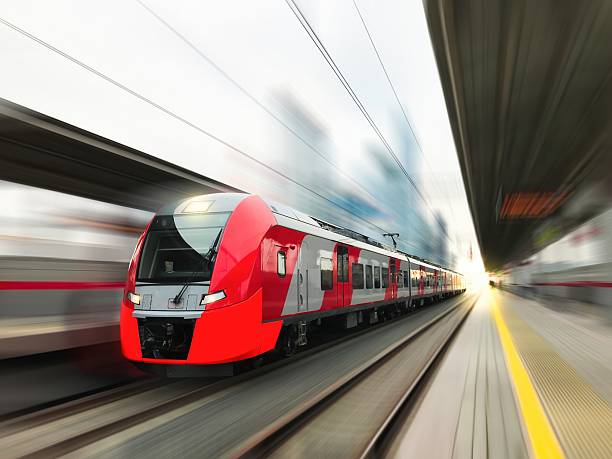
One of the major drawbacks of railway freight is the higher freight cost compared to sea freight. Sea freight is often the more economical option, especially for large shipments, because ships can carry massive quantities of goods at a relatively low cost per unit. On the other hand, railway freight tends to be more expensive, primarily due to the infrastructure costs associated with maintaining and upgrading rail networks, as well as the operational expenses related to running trains. Rail transport also has more limited capacity than sea freight, which further drives up costs.
Another challenge with railway freight is the strict security requirements. While sea freight offers relatively more relaxed security measures, railway freight faces risks similar to air freight. Trains often make several stops along the way, making cargo more vulnerable to theft or damage. Moreover, unlike sea containers that are sealed throughout the journey, rail shipments may not always be as secure. This heightened security risk can be a major concern, particularly for high-value goods, and may require additional investment in cargo insurance and more rigorous monitoring during transit.
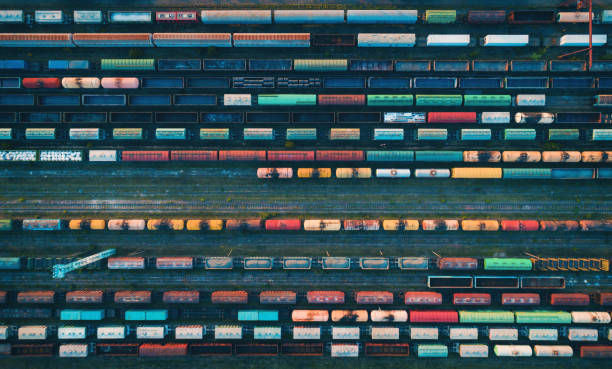
In addition to security concerns, railway freight also imposes strict weight and packing regulations. Each shipment must comply with weight limits and proper distribution within the container to ensure the load is balanced and safe for transit. If the cargo is not evenly distributed, it can lead to delays or even damage during transport. Furthermore, railway freight typically requires at least two 20ft containers or one 40ft container to fully utilize the train's capacity, meaning smaller shipments are less cost-effective. For businesses with low-volume cargo, this restriction can be a significant disadvantage.
Railway freight also suffers from limited flexibility and connectivity compared to sea freight. While sea freight has a global reach and can connect to nearly every major port worldwide, railway freight is more region-specific, especially for countries without a well-established rail network. Rail transport often requires goods to be transferred to other transport modes, such as trucks or sea freight, to complete the journey. This can introduce delays, additional costs, and logistical challenges. Additionally, rail freight may be subject to longer transit times than anticipated due to track maintenance, weather conditions, or other unforeseen delays. These factors can make rail a less predictable option for time-sensitive shipments.
Despite these disadvantages, railway freight is still a viable option under certain conditions. For businesses that are located near rail hubs or need to transport large volumes of goods within regions with extensive rail networks, rail transport offers a faster and more environmentally friendly alternative to air freight. Railway freight is often more suitable for medium-distance shipments, particularly within countries with well-developed rail infrastructure, such as China, Russia, and parts of Europe. For businesses looking to optimize transit times while avoiding the high costs of air freight, rail transport can be an effective solution.
When deciding between railway freight and sea freight, it is important to assess both the cost and the operational challenges involved in each mode of transport. Sea freight may be more suitable for large, long-distance shipments, while railway freight offers speed and reliability within specific regions, though it comes with higher costs and stricter regulations. By understanding the strengths and weaknesses of each, businesses can make better decisions that align with their logistics needs and budget, while ensuring the safe and efficient transport of their goods.
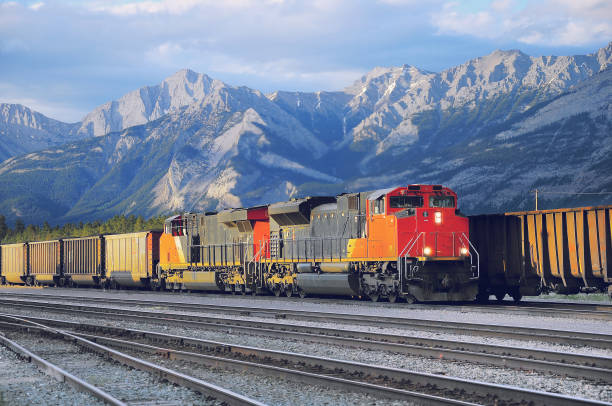
For companies like EVERGRAND, which specialize in complex logistics and large-scale shipments, carefully balancing the use of railway freight and sea freight can help manage costs, improve delivery times, and ensure smooth operations across the supply chain.