















In the world of international trade and logistics, Full Container Load (FCL) shipping plays a pivotal role in ensuring that goods are transported efficiently, securely, and cost-effectively. Understanding the FCL shipping procedure is essential for businesses involved in importing or exporting products globally. In this article, we’ll walk you through the entire FCL shipping process, highlight key stages, and provide an in-depth look at FCL logistics, FCL shipping from China, and the FCL container shipping procedure. This comprehensive guide will help you navigate the complexities of FCL shipping, ensuring smooth and hassle-free shipments.

1. What is FCL Shipping?
FCL (Full Container Load) shipping involves the transportation of goods using an entire container, meaning all the goods in the container belong to a single shipper. Unlike Less-than-Container Load (LCL) shipping, where multiple shippers share a container, FCL shipments are independent, providing greater security, efficiency, and control over your goods.
Choosing FCL shipping is ideal for businesses that have large volumes of products to ship. It’s also beneficial when time, safety, and cost-efficiency are top priorities. FCL shipping reduces the risk of damage, allows faster customs clearance, and offers flexibility in terms of delivery schedules. Whether you're shipping from China or other countries, understanding how the FCL shipping procedure works is essential for ensuring that your goods reach their destination seamlessly.
2. FCL Logistics: Key Steps in the Shipping Process
The FCL shipping procedure follows a series of essential steps. Here’s an overview of each key stage:
Step 1: Booking the Container
The first step in the FCL shipping process is container booking. Once you’ve determined the quantity of goods to ship, you’ll need to book an appropriate container with a shipping line or freight forwarder. If you're shipping from China, this includes selecting the correct container size (e.g., 20-foot, 40-foot, or 40-foot high cube). The container’s dimensions must match the volume and weight of your cargo.
Step 2: Packing the Goods
Next, the goods must be carefully packed to ensure they are protected during transport. In FCL shipping, the entire container is dedicated to one shipper's goods, meaning efficient packing is crucial. Proper packaging prevents damage, ensures easy loading and unloading, and helps optimize space within the container. Be mindful of how you arrange the goods to make the most of the available container volume.
Step 3: Customs Documentation and Export Clearance
After packing, it’s time to prepare the necessary customs documentation. This includes commercial invoices, packing lists, bills of lading, and other export-required paperwork. For FCL shipping from China, you’ll also need to ensure that all Chinese export regulations are followed. Partnering with a customs broker can help ensure that your documents are in order and your shipment complies with both Chinese export laws and import regulations in the destination country.
Step 4: Transport to the Port
Once the goods are packed and documentation is ready, the container is transported to the port via truck or rail. For FCL shipping from China, the shipment will typically depart from major ports like Shanghai, Shenzhen, or Ningbo. The container will be moved from the warehouse or factory to the designated port, ready for loading onto the vessel.
Step 5: Sea Freight
The goods are then loaded onto the vessel and transported by sea to the destination port. Depending on the origin and destination, sea freight can take anywhere from a few days to several weeks. During transit, the container is securely sealed, and the shipment is monitored for any issues that may arise.
Step 6: Arrival at the Destination Port
Once the vessel arrives at the destination port, the container undergoes customs clearance. This is typically a faster process in FCL shipments than in LCL shipments, as the goods are not mixed with other shippers’ cargo. Once cleared, the container is unloaded and made ready for the next phase of the delivery process.
Step 7: Delivery to Final Destination
After the container clears customs, it is then transported to its final destination—whether it’s a warehouse, retail outlet, or the consignee’s address. The goods are unloaded, and the process of FCL shipping and delivery is complete.
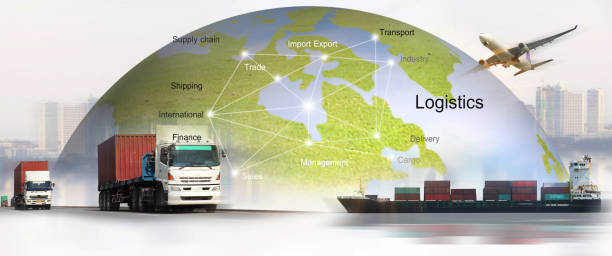
3. FCL Shipping from China: What to Keep in Mind
When shipping FCL from China, several factors need to be considered to ensure that your goods are transported smoothly and efficiently:
Port Selection: Choosing the correct port for departure and arrival is essential for optimizing both time and costs. Major ports in China like Shanghai, Shenzhen, and Guangzhou are often the primary departure points for international shipments.
Customs Compliance: Ensure that all goods comply with both Chinese export regulations and the import regulations of the destination country.
Documentation: Having all the necessary paperwork in place ensures faster customs clearance. Work closely with your freight forwarder to make sure nothing is overlooked.
Shipping Costs: FCL shipping from China is typically more economical for large shipments compared to LCL, making it ideal for businesses looking to transport a large volume of goods.
4. Potential Challenges in the FCL Shipping Procedure
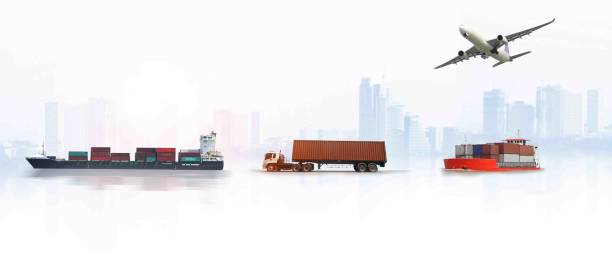
While FCL shipping is generally reliable, it’s important to be aware of potential challenges:
Delays
External factors like weather, port congestion, or unforeseen shipping delays can affect delivery times. However, by working with a reliable logistics provider, you can receive real-time updates and minimize disruptions.
Customs Issues
Missing or incomplete documentation can delay the customs clearance process. Always ensure that your paperwork is accurate and submitted ahead of time to avoid unnecessary hold-ups.
Damaged Goods
Although FCL shipping offers increased security, improper packing or selecting the wrong container size can still lead to cargo damage. Ensure that your goods are carefully packed and loaded properly to prevent any loss.
5. Conclusion: Mastering FCL Shipping for Global Trade
In summary, the FCL shipping procedure is essential for businesses that need to ship large quantities of goods efficiently and securely. By understanding the process from booking the container to final delivery, companies can ensure that their shipments reach their destination on time and in excellent condition.
Whether you’re shipping FCL from China or other countries, understanding the process, complying with necessary regulations, and selecting the right logistics provider are key to a smooth shipping experience. By leveraging FCL logistics, businesses can improve efficiency, cut costs, and offer customers reliable service, ultimately improving their supply chain performance.