
















For businesses shipping goods internationally, understanding shipping options is crucial to optimize costs and efficiency. LCL (less-than-container) shipping is an increasingly popular choice for companies that do not need a full container for their cargo. This comprehensive guide explains the essentials of LCL shipping, its benefits, challenges, and how to leverage LCL logistics for smooth international operations.
What is LCL (Less-Than-Container) Shipping?
LCL shipping refers to transporting cargo that does not fill an entire container. Multiple shipments from different exporters are consolidated into a single container, optimizing space and costs.
Key features of LCL shipping include:
Cost-sharing for multiple shippers
Flexible shipment sizes
Ideal for small to medium-sized businesses
LCL freight is managed by professional LCL logistics providers, ensuring proper handling, documentation, and customs clearance.
How LCL Shipping Works
Booking the Shipment
Businesses contact a freight forwarder or LCL logistics provider to arrange shipment.
Cargo Consolidation
Goods from multiple shippers are consolidated into one container at a warehouse.
Ocean Freight Transportation
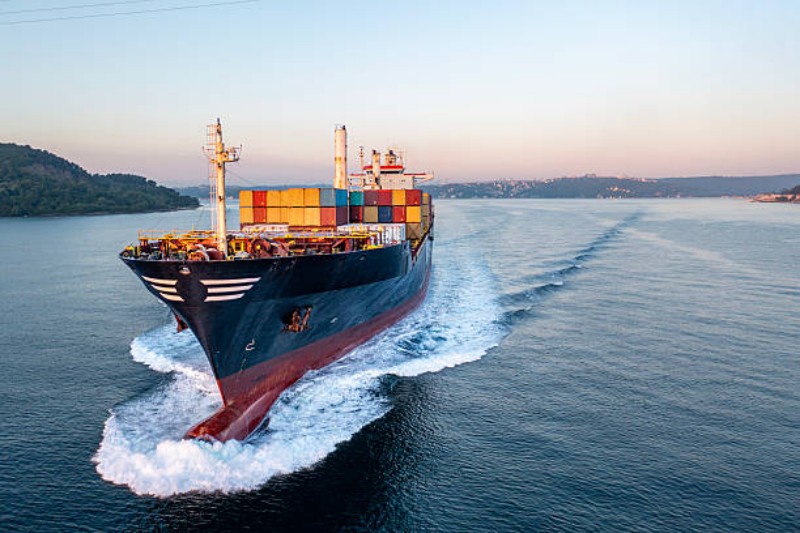
The container is shipped via ocean freight to the destination port.
Deconsolidation & Delivery
Upon arrival, cargo is separated and delivered to individual recipients.
| Step | Description | Benefit |
|---|---|---|
| Booking | Contact forwarder | Flexible scheduling |
| Consolidation | Combine multiple shipments | Cost efficiency |
| Ocean Freight | Transport container | Reliable delivery |
| Deconsolidation | Separate shipments | Direct delivery to consignees |
Advantages of LCL Shipping
1. Cost-Effective for Small Shipments
Shipping small quantities via less-than-container shipping avoids paying for a full container, reducing costs for businesses with limited cargo.
2. Flexible Shipment Sizes
LCL shipping allows companies to send any amount of goods without waiting to fill a container, improving supply chain efficiency.
3. Reduced Inventory Holding
With smaller, frequent shipments, companies can adopt just-in-time inventory strategies, minimizing storage costs.
4. Access to Global Markets
LCL logistics enables smaller businesses to ship internationally without committing to full container loads, expanding market reach.

Challenges of LCL Shipping
While LCL freight offers many benefits, there are some challenges:
Longer transit times due to consolidation and deconsolidation
Higher risk of damage or loss if not properly packed
Complex documentation and customs clearance requirements
Partnering with an experienced LCL logistics provider ensures these challenges are mitigated.
Best Practices for Successful LCL Shipping
Work with Reliable LCL Logistics Providers
Professionals like EVERGRAND LCL shipping services manage consolidation, documentation, and delivery efficiently.
Proper Packaging
Use sturdy, standardized packaging to prevent damage during consolidation and transit.
Plan Ahead
Schedule shipments in advance to avoid delays caused by container space availability.
Clear Documentation
Ensure accurate commercial invoices, packing lists, and customs paperwork to avoid delays.
Applications of LCL Shipping
| Industry | Application |
|---|---|
| E-commerce | Small, frequent shipments to multiple countries |
| Manufacturing | Partial loads of components or raw materials |
| Retail | Seasonal products without full container demand |
| Food & Beverage | Export of packaged goods in small batches |
LCL (less-than-container) shipping is a flexible and cost-effective solution for businesses of all sizes looking to expand globally. By leveraging professional LCL logistics providers.For businesses seeking optimized LCL freight solutions, partnering with an experienced provider ensures smooth and reliable ocean freight shipping.