















Choosing the most suitable shipping method is one of the most important decisions a business can make. Whether you are moving consumer goods, electronics, machinery, or seasonal products, the shipping strategy you select directly affects costs, speed, supply chain stability, and customer satisfaction. Among the most frequently compared ocean freight methods are FCL (Full Container Load) and LCL (Less than Container Load). Although both rely on maritime transportation, they follow entirely different logistics procedures and offer separate advantages depending on shipment size, cargo type, and business priorities.
For companies that want to streamline operations and optimize costs, understanding the difference between FCL and LCL is more than a technical detail—it is a strategic decision. As an international freight service provider, EVERGRAND supports global importers and exporters with reliable FCL shipping procedures, efficient cargo handling, and simplified logistics operations. This article will examine both methods in detail and help you determine which is best for your cargo.
What Is FCL Shipping and When Is It Beneficial?
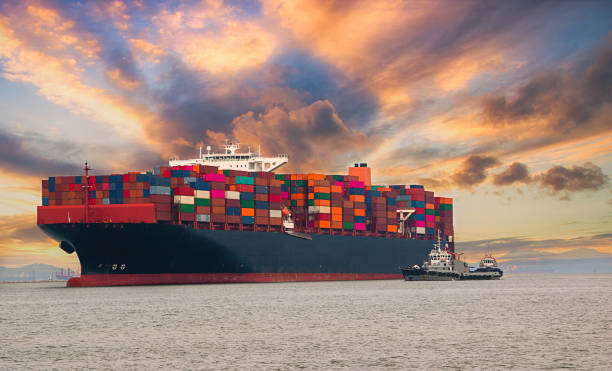
FCL, or Full Container Load shipping, means that your cargo occupies an entire 20GP, 40GP, or 40HQ container. The container is sealed with only your goods inside, giving you complete control over space, loading method, cargo safety, and transportation timeline.
Choosing FCL makes sense for businesses shipping:
High-volume cargo
High-value or fragile products
Time-sensitive goods
Orders requiring strict delivery schedules
The typical FCL shipping procedure follows a straightforward sequence. Once your freight forwarder confirms the booking, an empty container is delivered to your factory or warehouse. Your team loads the goods, the container is sealed, and it is transported directly to the port. Because there is no need for consolidation or de-consolidation, the entire FCL shipment process runs efficiently with fewer disruptions.
One of the greatest benefits is reliability. FCL containers typically move faster through ports, experience fewer delays in customs, and offer better predictability—something modern supply chains need more than ever.
What Is LCL Shipping and Why Do Some Businesses Prefer It?
LCL shipping combines goods from multiple shippers into one container. Your cargo occupies only the space you need, making it a cost-effective solution for small or irregular shipments. For example, new brands testing a product line, e-commerce sellers moving small batches, or businesses replenishing stock in limited quantities may choose LCL over FCL.
However, this convenience comes with additional logistics procedures. LCL requires warehouse consolidation at the origin and de-consolidation at the destination. These extra steps mean LCL often has longer transit times and slightly higher risk due to multiple handling stages. It is ideal when shipment size does not justify paying for a full container or when cost savings outweigh speed requirements.
Cost Comparison: How FCL and LCL Influence Your Total Shipping Expense
The cost structure between FCL and LCL differs significantly. With FCL, you pay a fixed rate for the entire container, regardless of whether it is fully loaded or partially filled. This rate becomes especially economical once your shipment reaches around 15–18 cubic meters. Beyond that point, LCL begins to cost more due to warehouse fees, palletizing charges, and consolidation and de-consolidation fees.
LCL pricing is based on CBM and weight. While cost-effective for small shipments, the additional fees and handling processes may lead to a higher total cost if volume increases. For businesses shipping regularly or scaling up production, FCL often proves the better long-term solution.
Transit Speed: Why FCL Is Generally Faster
One of the biggest differences between FCL and LCL lies in transit time. Although both travel on the same vessels, their processing procedures are very different.
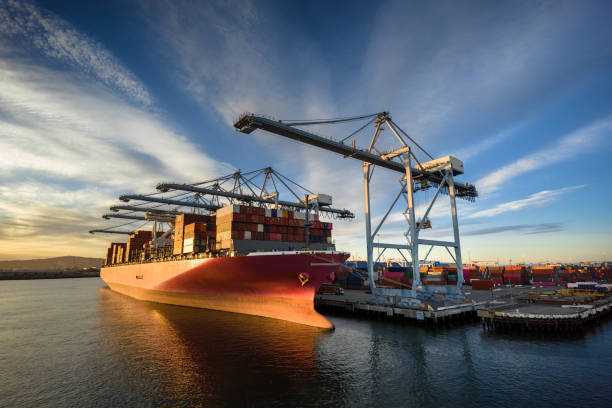
Because FCL ocean freight avoids consolidation, goods move directly from the supplier’s facility to the port, then onto the vessel, and finally from the destination port to your warehouse. With fewer touchpoints, the risk of delay is significantly lower.
LCL shipments may be held until a full container’s worth of cargo is ready. They also experience delays while waiting for sorting and unpacking at the destination warehouse. For companies shipping seasonal goods or operating strict retail deadlines, these delays can be costly. If speed and predictability are priorities, FCL provides a clear advantage.
Cargo Safety and Handling Risks
Another crucial consideration is cargo safety. In FCL shipments, containers remain sealed from the moment they leave the supplier until they arrive at the destination. Your goods are not moved, repacked, or reorganized, reducing the chance of damage, contamination, or loss.
In contrast, LCL shipments undergo multiple handling stages. Cargo from different shippers is stored together, increasing risks such as:
Mislabeling
Damage from incompatible goods
Shifts in cargo during loading
Delays caused by another shipper’s documentation issues
For fragile, luxury, or high-value cargo, EVERGRAND strongly recommends choosing FCL to ensure maximum protection.
Customs Clearance and Documentation Efficiency
The customs process for FCL is significantly smoother. One shipper, one consignee, and one Bill of Lading simplify inspection procedures. Even if customs chooses to inspect the container, only your cargo is affected. LCL shipments face more complex clearance because the container includes goods from multiple shippers. If one shipment is flagged for inspection, all other shippers may experience delays as well. In high-volume markets, where port congestion is common, these delays can stretch into days or even weeks. FCL offers better stability for businesses that rely on timely deliveries.
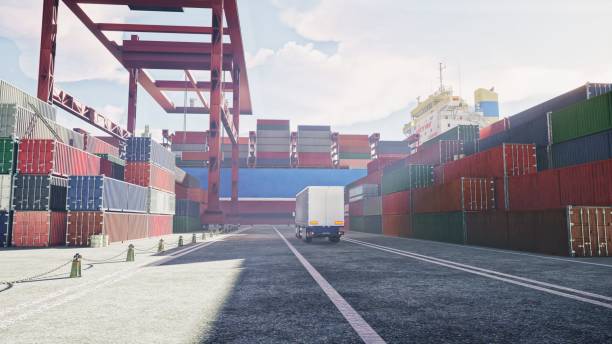
Choosing the Right Shipping Solution for Your Cargo
To choose between FCL and LCL, consider the following key factors:
Shipment Volume
If your goods exceed 15–18 CBM, FCL usually becomes more economical.
Time Sensitivity
Tight schedules or seasonal items should move via FCL.
Cargo Type
Delicate, temperature-sensitive, or high-value goods are safer in FCL.
Budget Strategy
For small or infrequent shipments, LCL offers cost savings.
Supply Chain Stability
FCL reduces uncertainty and improves delivery predictability.
Businesses scaling production or experiencing consistent demand often benefit from switching to FCL as early as possible.
How EVERGRAND Supports Your FCL Shipping
Choosing FCL is only part of the equation—partnering with the right logistics provider ensures your cargo moves efficiently and safely. EVERGRAND offers:
Complete FCL shipping procedures with real-time updates
Optimized container loading plans to save cost and space
Professional coordination between suppliers, carriers, and custom brokers
Fast documentation preparation and customs handling
Competitive FCL ocean freight rates for long-term shippers
This integrated service model allows businesses to build a resilient, predictable supply chain that adapts to market demands.
Conclusion:
Both FCL and LCL shipping play essential roles in global trade, but each suits different business needs. FCL provides unparalleled reliability, speed, and cost efficiency for medium to large shipments, while LCL offers flexibility for smaller or irregular cargo volumes. Understanding these differences allows importers and exporters to optimize logistics expenditures and improve their overall supply chain performance. With EVERGRAND’s expertise in FCL shipping procedures and international freight forwarding, businesses can rely on a trusted partner to deliver cargo safely, on time, and with complete transparency. Whether you ship once a month or several containers a day, choosing the right freight method is an investment in operational efficiency and long-term growth.